







Search Results for: coffee farmer cultivation costs
A Full Breakdown of Costs from Coffee Seed to Cup: SCAA Data Reveals the Inside Story of Coffee Pricing
How much is a cup of coffee really worth? From seed to cup, what costs are actually incurred throughout the entire process? Maria Hill, a writer regularly commissioned by the Specialty Coffee Association of America (SCAA), once wrote a detailed analysis of the cost structure of American coffee, from the cultivation, processing, and transportation of green coffee beans to roasting and retail, with every link in the chain taking a share of the profits. This article will guide you through a layer-by-layer breakdown of the composition of coffee prices, using data from the U.S. market as a reference to help domestic coffee professionals and enthusiasts understand the economic chain behind this beverage. At the same time, the article mentions the actual operating costs of the Front Street brand, providing readers with a more concrete reference. [more…]
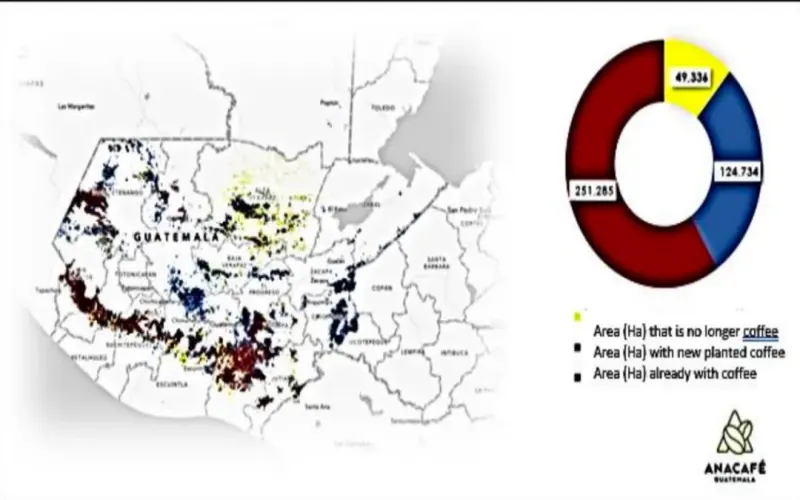
Despite the expansion of coffee-growing areas in Guatemala, smallholder farmers still face the dual challenges of cost and climate
The Guatemalan National Coffee Association (Anacafé) recently released a redrawn coffee map showing that the country's coffee-growing area has expanded, and the structure of large, medium, and smallholder farmers has become clearer. However, the increase in area has not led to higher yields, and smallholders still face challenges such as high fertilizer costs, labor shortages, and inadequate processing facilities. At the same time, the price gap between specialty coffee and commercial coffee continues to narrow, and the upcoming rainy season may be unusually severe due to the influence of La Niña. Anacafé is supporting coffee farmers through extension services and sustainable profitability programs. Front Street Coffee continues to follow developments and flavor performance in Guatemalan producing regions. [more…]
The Changing Landscape of Yunnan Small-Bean Coffee: Arabica Cultivation Status, Flavor Characteristics, and Future Trends
Yunnan's coffee planting area has climbed from over 300,000 mu in 2008 to more than 1.4 million mu today, with output once accounting for over 99% of the national total. Yet the expansion of the industry's scale has not been smooth sailing. Since 2012, international coffee futures prices have continued to decline, leaving Yunnan coffee farmers struggling at the edge of the cost line; the 2014 harvest season was hit by a triple blow of drought, cold damage, and the abandonment of harvesting, causing output to plummet from an expected 100,000 tons to less than 60,000 tons, while purchase prices, driven by factors such as drought in Brazil, saw their largest single-month increase in 20 years. Lincang, as an emerging main producing area, rose rapidly, and companies such as Lingfeng Coffee began implementing quality traceability systems. This article will review the cultivation situation, flavor characteristics, and future development trends of Yunnan Arabica coffee beans. [more…]

2022 Yunnan Coffee Bean Price Market Analysis: Purchase Price per Kilogram of Arabica Coffee and Industry Status Analysis
Yunnan is China's main coffee-producing region, accounting for over 99% of the national output. However, for a long time the pricing power for coffee beans has been subject to the New York futures market, leaving it without bargaining power. In recent years, international green bean prices have remained persistently low, even falling below the cost line of 15 yuan/kg, causing many coffee farmers to cut down trees and change careers. In 2020, the province's planting area shrank by nearly 20% compared with the 2014 peak. At the same time, the rise of specialty coffee has opened a new path for Yunnan coffee, with the consumption scale of Yunnan coffee on the Tmall platform increasing by 135% year on year. This article will sort out the latest price details of Yunnan coffee beans, the industry's difficulties, rescue actions from various parties, as well as the planting history and producing-area advantages, to give you a comprehensive understanding of the current situation of Yunnan Arabica coffee and Front Street's brand observations. [more…]
Why Have Yunnan Coffee Prices Stayed Low for So Long? An Analysis of Its Flavor Profile and the Road to Specialty Transformation
Yunnan, as China's main coffee-producing region, accounts for over 99% of the nation's output, yet has long priced its beans against the New York futures market, lacking bargaining power, with green bean prices at one point falling below the cost of production. In recent years, with the rise of the specialty coffee wave, Yunnan coffee is entering the specialty market like a dark horse. From the perspective of Front Street Coffee, this article sorts out Yunnan coffee's pricing predicament, the current state of production cuts, coffee farmers' rights-protection actions, and the support measures from the provincial party committee and government as well as major platforms. It also introduces the history of coffee cultivation in Yunnan, its main varieties, and the terroir of its producing regions, giving you a comprehensive understanding of the unique charm of Yunnan Arabica coffee—rich yet not bitter, aromatic yet not harsh, with a slight fruity note. [more…]
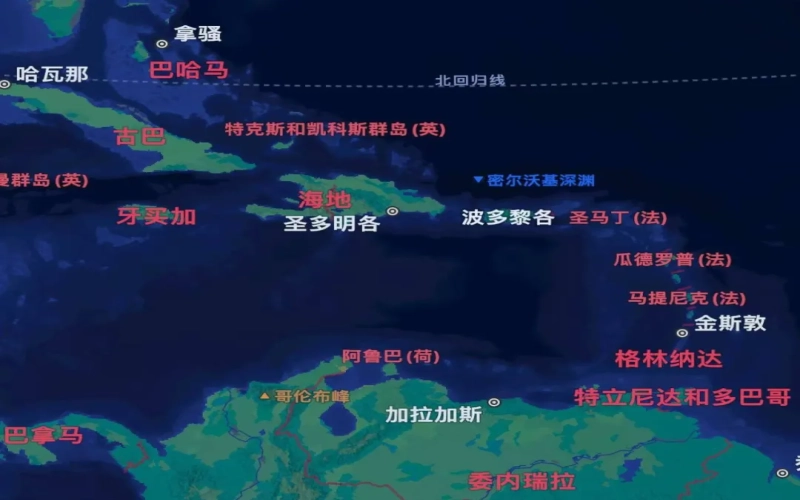
Puerto Rican Coffee: A Complete Analysis of the Planting History and Varieties of the U.S. Autonomous Territory's Caribbean Island Nation
Among the many coffee-growing islands in the Caribbean, Puerto Rico is a special case—it is not an independent country but a self-governing territory of the United States. This island, located in the eastern Greater Antilles, has a central mountain range running through it, volcanic terrain, and a tropical rainforest climate. Coffee cultivation was introduced by Spanish colonists as early as the 18th century. By the late 19th century, production reached 30 million pounds, ranking it among the world's top seven coffee-producing countries. Since then, due to the U.S. takeover, rising costs, typhoon damage, and competition from Brazil, the industry has gone through repeated ups and downs, and in 2017 two hurricanes destroyed nearly 90% of the plants. Today, Puerto Rican coffee is gradually recovering, with particularly outstanding quality in the Yauco area. About 4,000 coffee farmers on the island produce 3 million pounds of green beans annually, with varieties including Arabica, Robusta, and Liberica, and processing methods expanding from traditional washed and natural to experimental techniques. This article will guide you through this turbulent history and the current state of its varieties. [more…]
Why Do Indian Darjeeling Black Tea Prices Remain So High? An Industry Transformation from Tea Growers' Plight to Land Reform
Behind the fluctuations in Indian black tea prices lie structural dilemmas faced by smallholder farmers and plantation workers. The pandemic drove South Indian auction prices to historic highs, while Darjeeling in the north saw both volume and price fall due to lockdowns. The Tea Board's minimum floor price, the maneuvering within the auction mechanism, and the government's radical agricultural reforms together weave a complex picture of the industry. Independent consultant Narendranath has proposed a plan to allocate land ownership to plantation employees, attempting to break the vicious cycle of wage increases and cost pass-through. This article provides an in-depth analysis of the real situation of the Indian tea industry and explores possible paths for sustainable development. Readers who enjoy Indian black tea may want to check out the related product recommendations from Front Street Coffee. [more…]
How much does Wudong Dancong tea in an iron tin cost? A detailed explanation of Phoenix Dancong's shelf life and storage duration
Many people wonder why some teas have the characters "single bush" in their names—like the common Phoenix Dancong, aged Phoenix Dancong, and frozen Wudong Dancong. To understand this naming convention, we need to start with the definition of Phoenix Dancong: it is made by selecting superior individual bushes from the Phoenix Shuixian population, which are then cultivated, picked, processed, and sold separately. These tea trees, processed using the single-bush method, are collectively called Phoenix Dancong. In contrast is the blending process used for Pu'er tea: to create different flavors, tea makers blend leaves from different mountains, seasons, and tenderness levels. Of course, some Pu'er enthusiasts prefer single-bush ancient tree tea. It is precisely for the convenience of cultivation and management, picking and processing, and consumer purchasing that Phoenix tea farmers classify and name tea trees based on tree morphology, finished tea characteristics, and growing environment. Accumulated over generations, this has formed hundreds of strains and varieties. This article will explain the issues everyone cares about regarding Wudong Dancong: its tin box packaging, market price, shelf life, and storage time. [more…]
What exactly are the differences between Yirgacheffe and Sidamo? A comprehensive analysis of coffee price gaps and regional flavors
Many people tend to conflate Yirgacheffe with Sidamo, but although both are located in Ethiopia, their administrative levels and geographical concepts are not the same. Simply put, Sidamo is equivalent to a province, while Yirgacheffe is a small town within Sidamo. Sidamo sits at an altitude of about 2,100 meters, while the Yirgacheffe region as a whole has a higher elevation, with its highest point even exceeding 2,600 meters. This article will examine the origins of Ethiopian coffee, its cultivation system, grading system, flavor differences, and price ranges from multiple angles to help coffee lovers thoroughly clarify the differences between these two producing regions, and will also introduce the characteristics and value for money of related coffee beans under the Front Street Coffee brand. [more…]
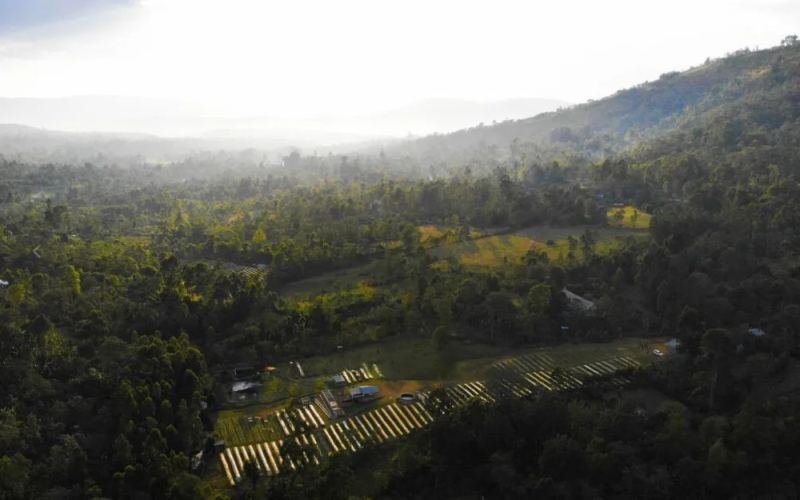
Analysis of the Chaka Lot from Ethiopia's Gesha Village Estate: The Origins and Characteristics of a High-Value Gesha Blend
Ethiopia is the birthplace of coffee, and coffee is also an important source of foreign exchange for the country. More than 4 million farmers nationwide grow coffee using forest coffee and garden coffee models, with only about 10% being estates. Among the many estates, the Gesha Village Coffee Estate in the Bench Maji region is the most well-known. It covers 500 hectares and has its own processing plant and laboratory, mainly cultivating and exporting the Geisha variety. Drawing on the grading system of famous Panamanian estates, the estate divides its coffee into five lots:競標 (Auction), Gold, Red, Green, and Chaka. Among them, the Chaka lot is known for its high cost-effectiveness and stable, large-volume supply. It is a Geisha blend launched by Gesha Village, mixing three varieties: Geisha 1931, Gori Gesha, and Illubabor 1974, accounting for 70% of the annual production. Front Street Coffee will also guide you through the unique charm of this lot. [more…]

Ethiopia Deploys 40,000 Troops to Crush Fano Insurgents, Coffee Industry Faces Dual Test of Costs and Exports
The Ethiopian federal government has recently deployed approximately 40,000 additional troops to the Amhara region, launching a new large-scale military operation against Fano armed forces. Intense clashes have erupted in multiple areas, disrupting urban transportation and leaving residents trapped in their homes. The conflict has lasted for over a year, causing heavy casualties and severely impacting local agricultural and livestock production as well as logistics and transportation. As a major coffee-producing country in Africa, Ethiopia is facing multiple challenges, including currency depreciation, rising cultivation costs, and compliance pressure from the EU Deforestation Regulation (EUDR). This article will review the latest developments in the conflict and their potential impact on the coffee supply chain. [more…]
Papua New Guinea Bird of Paradise Coffee Bean Flavor Profile and Price Analysis | Front Street Sigri Estate Specialty Coffee Brewing Guide
Papua New Guinea's Bird of Paradise coffee beans, with their unique Blue Mountain lineage and refined washed processing, have made this a star-producing region in the specialty coffee world. What exactly are the special flavors of Front Street Coffee's Papua New Guinea Bird of Paradise Estate coffee beans? How much does a cup of Bird of Paradise coffee cost in a café? Is it more cost-effective to brew it yourself at home? This article provides a comprehensive analysis of the Sigri Estate's regional background, processing methods, green bean grading, roasting recommendations, and brewing parameters, along with Front Street's high-value recommendations, to give you an in-depth understanding of this specialty coffee full of floral aromas and fruity acidity. [more…]
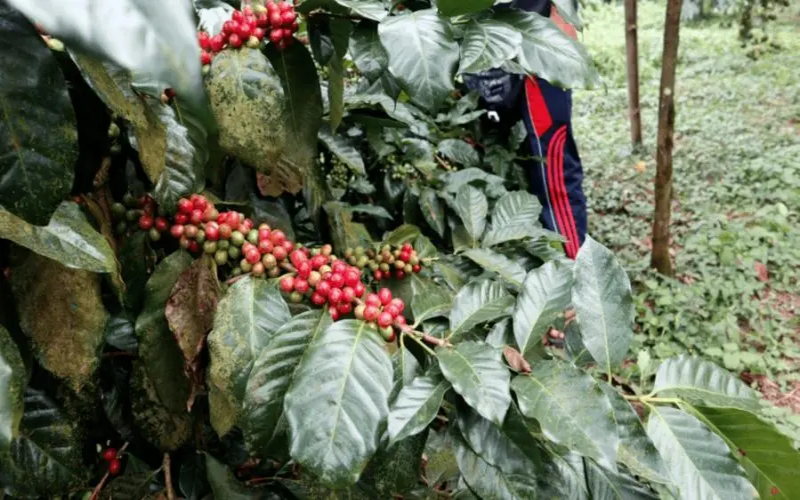
Frequent Volcanic Eruptions in Indonesia Combined with Drought Shocks the Coffee Industry, Sumatra Robusta Premiums Continue to Climb
Recently, robusta coffee prices have continued to run at high levels, driven both by the Red Sea crisis pushing up shipping costs and by El Niño weather causing production declines in many countries. As an important producing region, Indonesia has seen its Sumatra robusta premium widen from an earlier 450 USD to 500-520 USD this week. At the same time, the country is facing multiple pressures, including frequent volcanic eruptions, drying river basins, high fertilizer prices, and soil degradation, and industry insiders worry that coffee-growing areas will be further affected. This article reviews the challenges and price trends currently facing Indonesia's coffee industry, and brings Front Street Coffee's continued attention to developments in the producing region. [more…]

Specialty Coffee in China | What coffee variety is Yunnan small-batch coffee? Recommended Yunnan single-origin specialty coffee beans that are great for pour-over
When it comes to coffee cultivation, people may first think of famous coffee-growing regions such as Africa and Central and South America. In fact, Yunnan in China had records of coffee cultivation as early as 1904, and today it has even ranked among the world's coffee producers. "Yunnan small bean" is appearing more and more frequently in domestic coffee shops, [more…]
Why Have Yunnan Coffee Bean Prices Remained Low for So Long? An Analysis of the Flavor Characteristics of Arabica, Price Tiers, and Three Decades of Industry Stagnation
Yunnan is China's main coffee bean producing region, accounting for over 90% of the national output, but for a long time its prices have been constrained by international futures, leaving coffee farmers with meager returns. Starting from the varieties, growing conditions, and flavor characteristics of Yunnan arabica coffee, this article sorts out its price tiers and the path of its specialty transformation, and reviews the low-price predicament, the production decline crisis, and the rescue actions of industry associations, governments at all levels, and e-commerce platforms over the past thirty years. The article also introduces the cultivation history of Yunnan coffee, international grading standards, and the differences among major cultivated varieties, and retains the brand recommendation information of Front Street Coffee, so that coffee enthusiasts can gain a comprehensive understanding of the current situation and potential of Yunnan beans. [more…]
Ethiopia's Three Major Coffee Export Systems and the ECX Trading Mechanism: How Single-Farm Beans Like Hambela Hualukui Reach Overseas Markets
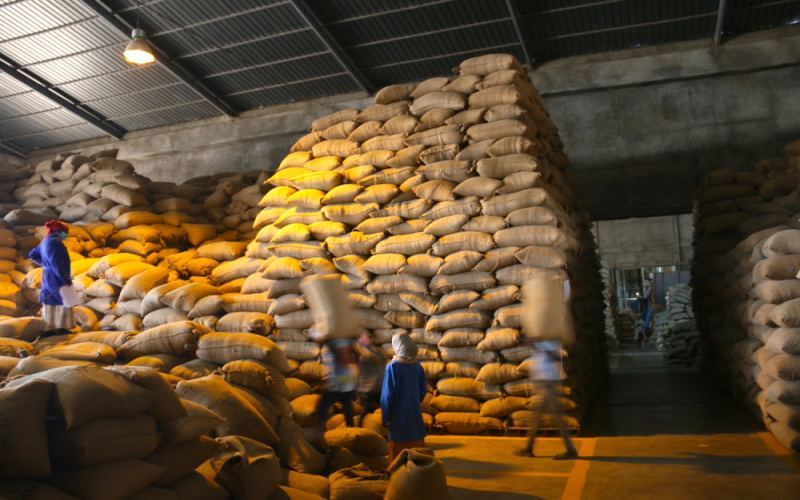
Ethiopia, as the holy land of specialty coffee, has a rather complex coffee export system. According to local regulations, coffee exports are divided into three major systems: ECX bidding, cooperatives, and single farms. Among these, cooperatives and single estates can bypass the ECX and export directly, offering relatively complete traceability. The ECX was founded by Eleni Gabre-Madhin in 2008, and through grading, warehousing, and real-time information, it transformed the trading circumstances of coffee farmers. However, what truly achieves 100% traceability is the single farm system that has risen in recent years. The Sidamo sun-dried Huakui is a representative work from the Hambela farm. This article will sort out the operational differences among the three systems, the trading logic of the ECX, the structure of the six major cooperative unions, and the significance of single farms to specialty coffee. Front Street will also continue to follow these origin developments, bringing coffee enthusiasts clearer origin knowledge. [more…]
Pacamara's Parent Maragogipe: The Origins of the Elephant Bean Variety and an Analysis of the Three Major Coffee Species
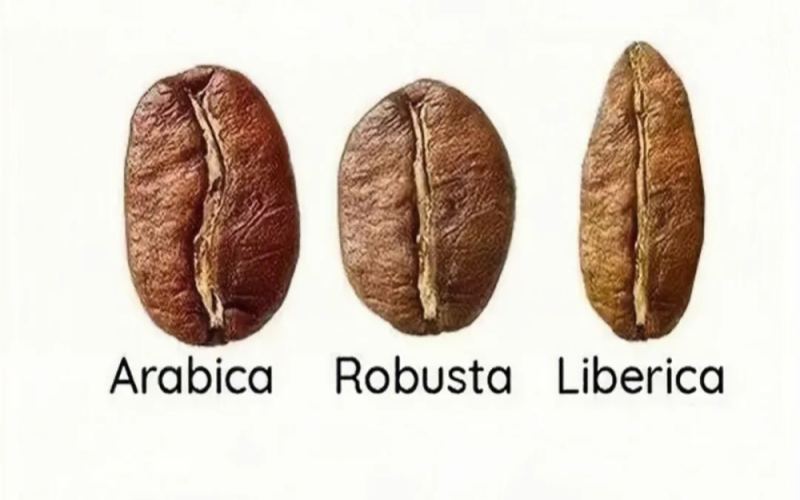
In the world of coffee, Arabica, Robusta, and Liberica make up the three main species. Among them, the smallest in size—Arabica—hides a "giant": Maragogipe, commonly known as Elephant Bean. This variety was discovered in Brazil in 1870, and can grow up to three times the size of ordinary Arabica, even surpassing Liberica. It is actually a mutation of Typica, with a flavor profile featuring sweet berry notes and bright citrus acidity, plus a thick, silky mouthfeel. However, its difficulty to cultivate, long maturation period, and low yield make it uncommon. This article will guide you through the origins and flavor characteristics of Maragogipe, as well as the dual meaning of "Elephant Bean" as both a variety and a grade, while also outlining the three major species of the Coffea genus. [more…]
An Analysis of Bolivia's Coffee Industry: Production Regions, Variety Characteristics, and Development Challenges
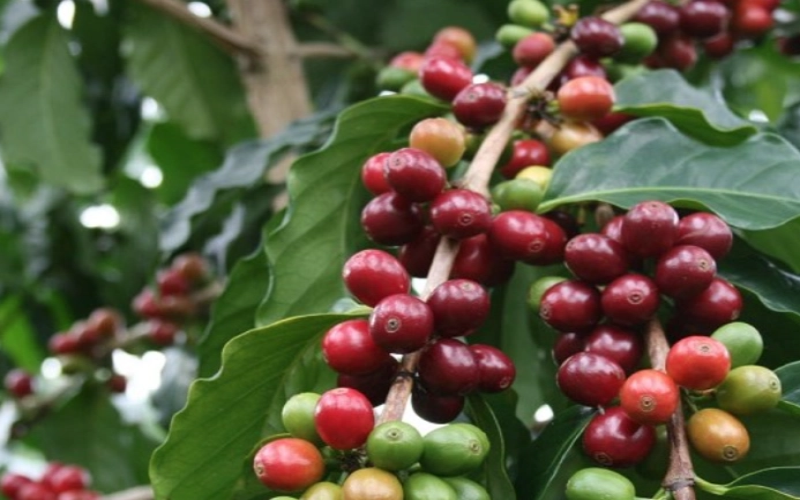
Bolivia is a landlocked country in central South America, with diverse climatic conditions and a long history of coffee cultivation. Although the country's coffee industry has fluctuated due to coca leaf cultivation and transportation difficulties, coffee from the Yungas region is known for its deep sweetness and berry flavors. This article will guide you through the distribution of Bolivia's coffee regions, varietal characteristics, development history, and the challenges it faces. Front Street Coffee will also recommend Bolivian coffees worth paying attention to. [more…]

Nicaragua Maragogype Elephant Bean Flavor Analysis: Central American Specialty Coffee Varietal Characteristics and Front Street Recommendations
Arabica, Robusta, and Liberica make up the three main native species of coffee worldwide, and among them Arabica has the smallest beans, which is why it is often called "small-seed coffee." Yet within the Arabica family, there exists a mutant variety whose beans can grow to three times the size of ordinary Arabica—the Maragogype, also known as the elephant bean. It was first discovered in 1870 in the Maragogipe region of Bahia, Brazil, and was identified as a natural mutation of Typica. The Maragogype plant is tall with lush foliage, and its demands for space and nutrients far exceed those of conventional varieties. Combined with the difficulty of harvesting and the high time cost, very few farmers are willing to grow it. Today it is found only in scattered pockets across Latin American countries such as Brazil, Nicaragua, Mexico, and Guatemala. During its bean-sourcing travels, Front Street Coffee purchased several lots of Maragogype for cupping and concluded that those from Nicaragua performed best, with the sun-dried Maragogype from the Mierisch family's Mama Mina estate standing out in particular for its flavor. This article will walk coffee lovers through the complete picture of the Maragogype and its hybrid offspring Pacamara—from the variety's origins and current state of cultivation to its flavor profile and brewing parameters. [more…]
Ethiopian Coffee Export System and ECX Grading Mechanism: A Special Analysis of the Yirgacheffe Region
Ethiopia, as the birthplace of coffee, has an export system and grading structure that directly shape the flavor in the cups of coffee lovers worldwide. This article takes an in-depth look at the country's three major coffee export systems—ECX bidding, cooperatives, and single estates—revealing how ECX reshapes coffee trading through its pricing mechanisms, warehousing and logistics, and real-time information, while focusing on the ECX specialty grading standards of the Yirgacheffe region. It also introduces the operating models of the six major cooperative unions, and how well-known cooperatives such as Front Street Gediding and Front Street Woka stand out through their exquisite processing techniques. Whether you are a coffee professional or an enthusiast, you can understand from this the quality logic of Ethiopian coffee from origin to cup. [more…]